
A diagnosis no child should have to face but one that demands earlier recognition, equitable treatment and stronger survivorship care.
Every year, an estimated 400,000 children and adolescents aged 0–19 develop cancer globally, with nearly 90% living in low- and middle-income countries.
Childhood Cancer Is Not One Disease
Childhood cancers differ from those commonly seen in adults. Leukaemia is the most common, followed by lymphoma, brain and CNS tumours, and several solid tumours.
Data from 60,720 cases across 96 hospital-based cancer registries in India found that among children aged 0–14, leukaemia accounted for 40% of cases, followed by lymphoma (12%), CNS tumours (11%) and bone cancers (8%).
India Carries a Major Share of South Asia’s Burden
A 2026 analysis of GLOBOCAN 2022 data estimated 37,716 childhood cancer cases across the eight South Asian Association for Regional Cooperation (SAARC) countries in 2022. Of these, 25,939 or 68.8%, nearly 7 in 10 were estimated to occur in India as shown in Figure 1.
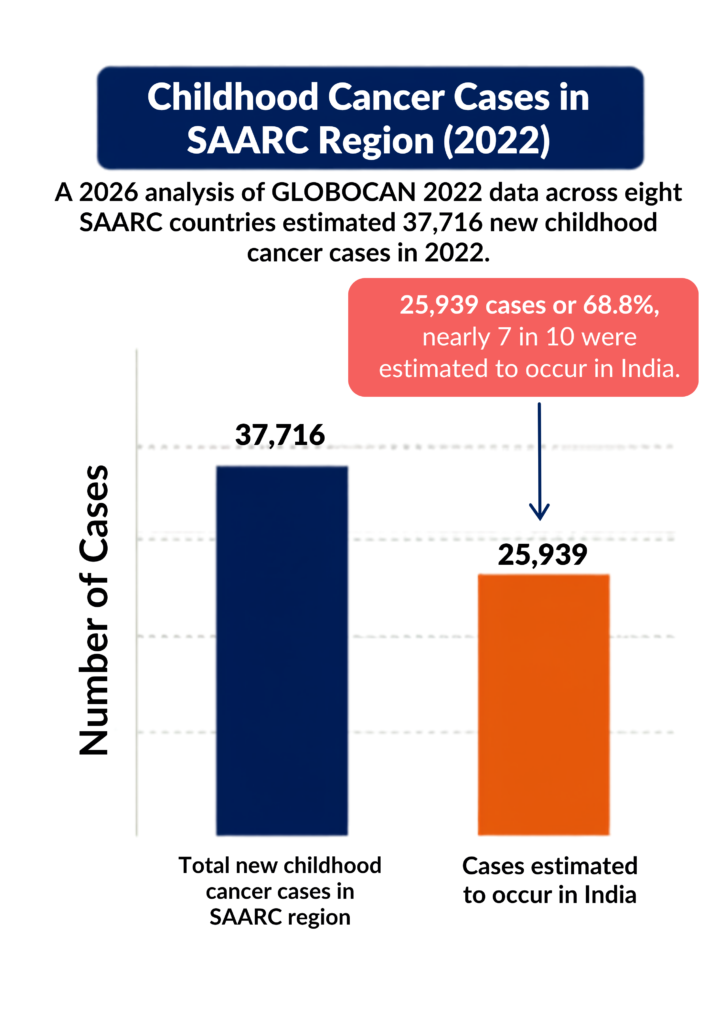
Figure 1: Childhood Cancer Cases in SAARC Region (2022)
Source: Farrag A, Ghazaly MH, Mohammed K, Volland R, Hero B, Berthold F. Comparing presentations and outcomes of children with cancer: a study between a lower-middle-income country and a high-income country. BMC Pediatr. 2023;23:443.
India’s first dedicated population-based childhood cancer registry in Chennai reported an incidence of 136 cases per million children in 2022–2023, with 60% two-year survival among registered patients.
Survival Should Not Depend on Geography
In countries with comprehensive childhood cancer services, more than 80% of children can be cured. In many low- and middle-income countries, fewer than 30% survive.
Delayed diagnosis, limited diagnostic facilities, treatment interruptions, financial hardship and limited access to essential medicines all contribute to this disparity.
A 2026 International Agency for Research on Cancer (IARC) analysis found that nearly 94% of childhood cancer deaths occur in Africa, Asia, South America and the Caribbean, despite higher incidence rates being reported in North America and Europe depicted in Figure 2.
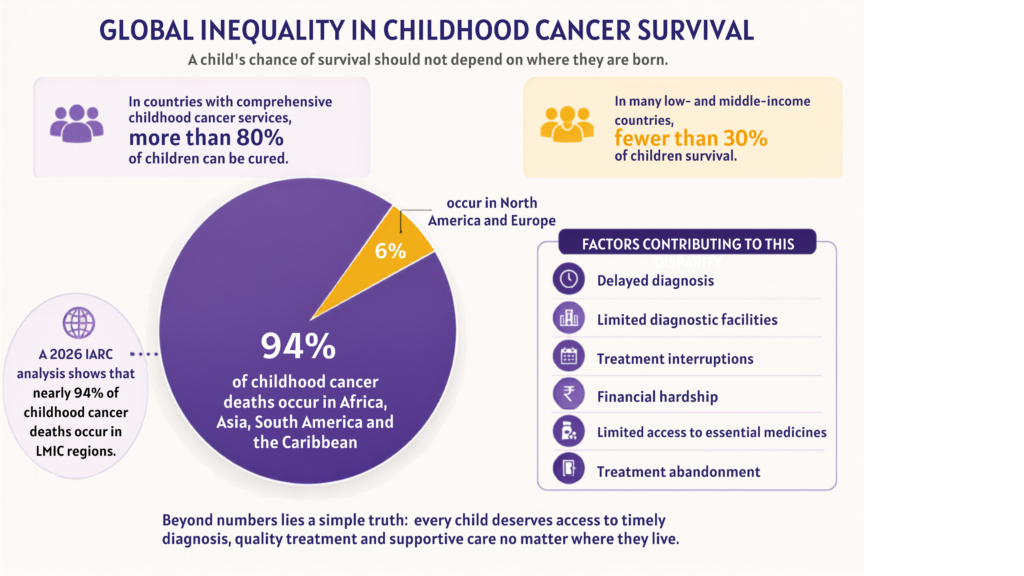
Figure 2: Global Inequity in Childhood Cancer Survival
Source: Daltveit DS, Morgan E, Bardot A, Steliarova-Foucher E, Damie A, Hagenimana M, et al. Childhood cancer survival in Africa, Asia, Latin America and the Caribbean, during 2008-2017 (SURVCAN-3): a population-based benchmarking study of 16 821 children. J Natl Cancer Inst. 2026;118(7):1183-1194.
Recognising the First Signs
Persistent or unexplained fever, unusual paleness, unexplained weight loss, easy bruising or bleeding, growing lumps or swelling, persistent bone or joint pain, headaches with vomiting, or changes in vision or behaviour should be medically evaluated when they persist or have no obvious explanation.
These symptoms do not necessarily indicate cancer. The important message is simple: persistent or unexplained changes should not be overlooked.
Treatment Is Evolving
Treatment may involve chemotherapy, surgery, radiation, immunotherapy or targeted therapies, depending on the cancer type and risk.
For some high-risk cancers such as neuroblastoma, the challenge continues even after remission because of the risk of relapse. This has driven research into maintenance therapies, including approaches targeting the polyamine pathway. DFMO (eflornithine), which inhibits the ODC enzyme involved in polyamine synthesis, has been investigated in high-risk neuroblastoma. The U.S. FDA approved eflornithine in 2023 to reduce the risk of relapse in eligible adult and paediatric patients with high-risk neuroblastoma following prior multimodal therapy including anti-GD2 immunotherapy.
Care Doesn’t End With Treatment
Survivorship matters. Childhood cancer treatment can have long-term effects on growth, fertility, cognition, cardiovascular health and mental well-being, making structured follow-up essential.
WHO’s Global Initiative for Childhood Cancer aims for at least 60% survival by 2030. Achieving this will require earlier recognition, stronger referral networks, affordable medicines, trained paediatric oncology teams, supportive care and long-term follow-up.
Every Child Deserves a Chance to Grow Up
Childhood cancer may be rare compared with adult cancers, but every diagnosis represents a child whose future can be profoundly affected.
Awareness can help shorten the journey from the first warning sign to the right care and give more children the opportunity to grow, learn, play and live beyond cancer.
References
- World Health Organization. Childhood cancer. WHO. 2026.
- Kapoor G, Arora RS, Radhakrishnan V, Nath A, Malhotra P, Cyriac SL, et al. Profile of childhood cancers from hospital-based cancer registries in India, 2012-19. Indian Pediatr. 2024;61(1):39-44.
- Budukh A, Bagal S, Thakur JS, Khanna D, Sancheti S, Banavali S. Pediatric cancer burden in different regions of India: analysis of published data from 33 population-based cancer registries. Indian Pediatr. 2023;60(7):541-545.
- World Health Organization. Measuring survival, driving change: advancing equity through the WHO Global Initiative for Childhood Cancer. Geneva: WHO; 2026.
- Farrag A, Ghazaly MH, Mohammed K, Volland R, Hero B, Berthold F. Comparing presentations and outcomes of children with cancer: a study between a lower-middle-income country and a high-income country. BMC Pediatr. 2023;23:443.
- Daltveit DS, Morgan E, Bardot A, Steliarova-Foucher E, Damie A, Hagenimana M, et al. Childhood cancer survival in Africa, Asia, Latin America and the Caribbean, during 2008-2017 (SURVCAN-3): a population-based benchmarking study of 16 821 children. J Natl Cancer Inst. 2026;118(7):1183-1194.
- Nath A, Mathur P, Sudarshan KL, Arora R, Seth R, Kumar S, et al. Stakeholder’s perspectives on the barriers and facilitators of childhood cancer care in India. Indian Pediatr. 2025;62(9):662-670.
- U.S. Food and Drug Administration. FDA approves eflornithine for adult and pediatric patients with high-risk neuroblastoma. FDA. 2023 Dec 13.
- Verma C. What is follow-up care after cancer treatment: importance & benefits. Max Healthcare. 2026 Feb 17.
- International Society of Paediatric Oncology. WHO Global Initiative for Childhood Cancer. SIOP. 2026.
